简体中文
 ภาษาไทย

Glass noodles
วุ้นเส้น
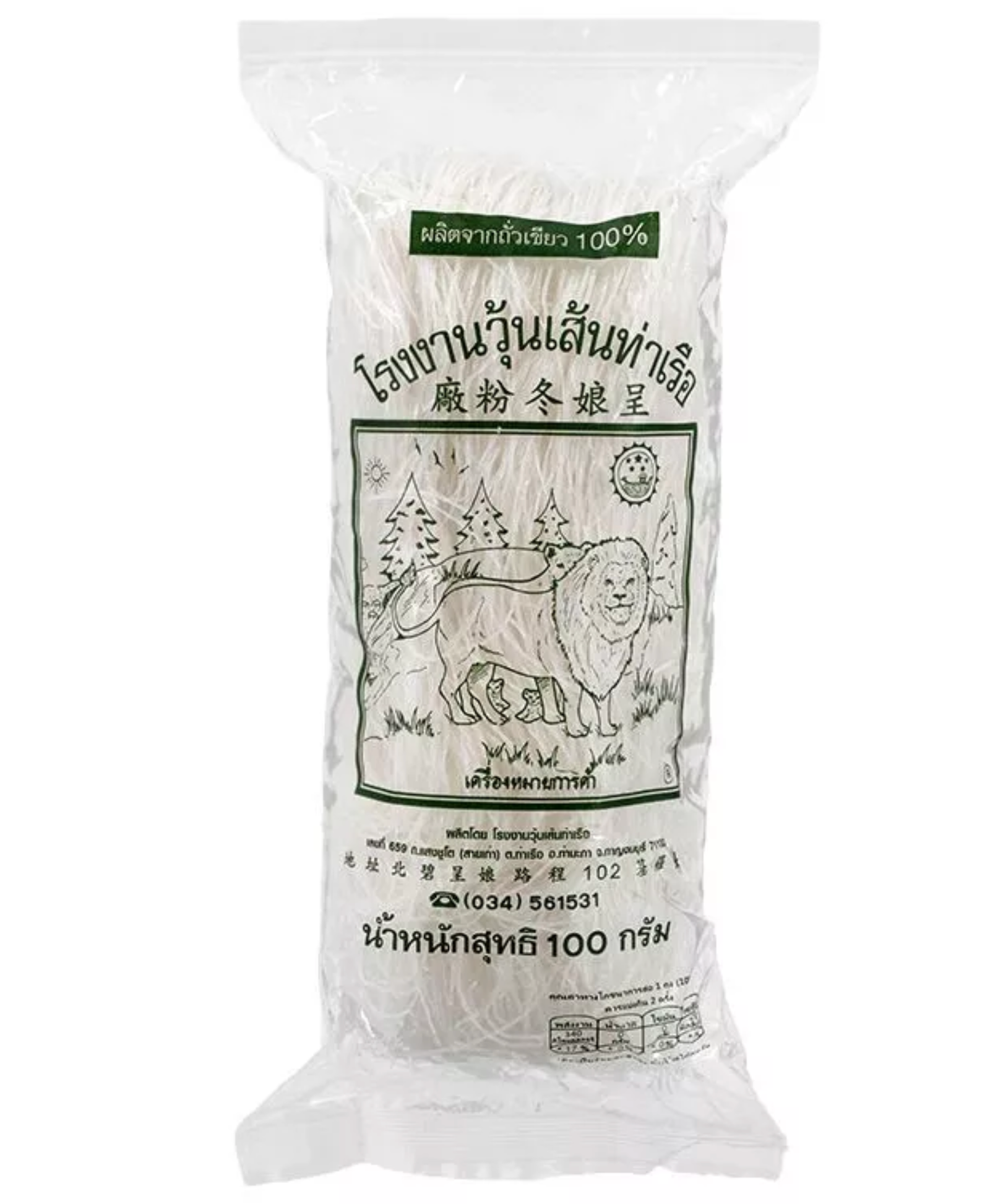
Glass Noodles (Cellophane Noodles / Vermicelli) are transparent noodles made primarily from mung bean starch (sometimes blended with potato or sweet potato starch). They are a staple ingredient across Asian cuisines, prized for their clear appearance and springy, chewy texture when cooked.
No store links yet.
1. Physical Characteristics & Flavor Profile
Appearance: Rigid, thin, and translucent white when dry, turning completely transparent/clear after soaking or cooking.
Flavor & Texture: Neutral in flavor with an exceptional ability to absorb broths and sauces. The texture is soft, chewy, and slippery.
2. Culinary Uses
Thai Cuisine:
Claypot & Soups: Baked Prawns with Glass Noodles (Goong Ob Woon Sen), Clear Glass Noodle Soup with Minced Pork, and Sukiyaki.
Spicy Salads: Traditional Glass Noodle Salad (Yum Woon Sen) and Glass Noodle Larb.
Stir-Fries & Appetizers: Stir-fried Glass Noodles with Egg and Spring Rolls (used as a main filling).
Other Asian Cuisines:
Korean Cuisine: The key ingredient in Japchae (stir-fried glass noodles with vegetables) and various hearty beef soups.
Chinese Cuisine: Used in Hot Pots, steamed over scallops with garlic, or served cold in spicy chili oil dressings (Liangban).
3. Health Benefits & Nutrition
Gluten-Free: Safe for individuals with gluten sensitivities as it is crafted from plant-based starches.
Lower Glycemic Index Option: Pure 100% mung bean noodles have a lower glycemic impact compared to standard wheat or refined rice noodles.
Nutritional Value: Primarily composed of carbohydrates, naturally fat-free, and low in sodium prior to seasoning.